
Which Industries Use a Roughness Tester: A Checklist
Wherever surface quality appears in a process, a roughness tester is probably needed. Here is the map by industry, so you can judge whether your case needs one.
1. Metalworking and machinery
The oldest and largest use. Surfaces after turning, milling, grinding and planing decide fit, sealing and wear resistance. Automotive parts, bearings, gears, fasteners, hydraulic components, gearboxes and motor shafts all sit here.
Stylus instruments suit harder metal surfaces, where data is stable and comparable.
2. Moulds and precision manufacturing
The cavity of an injection, die-casting or stamping mould affects how the product looks, how it releases and how long the mould lasts. Polishing needs a roughness figure as the criterion for when to stop.
3. Electronics, power and communications
Connectors, couplings, IC packaging and semiconductor wafers demand tighter micro-geometry than traditional machinery. These cases usually call for non-contact or small-probe instruments.
4. Metallurgy and rolling
Cold-rolled sheet, tinplate, aluminium extrusions, stainless sheet and roll surfaces: roughness drives coating adhesion and surface quality downstream. Roll roughness in particular sets the texture transferred to the strip.
5. Non-metals and new materials
Ceramics, engineering plastics, polyethylene bearings and pump parts are hard and substitute for metal, and their surface still has to be controlled. Watch the stylus load here so the probe does not mark the part.
6. Medical, paper, packaging, textiles
Roughness on joint implants and dental abutments affects cell attachment; calender rolls in paper, slip on packaging film and guide rollers in textile machinery are all measured. The range is wider than most people expect.
How to decide whether you need one
Three questions: does the drawing carry an Ra or Rz callout; does the customer ask for surface quality data at acceptance; has this batch ever shown seal failure, noise or early wear. Any one of them means it is time to buy one.
Related products
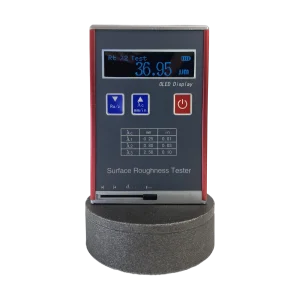
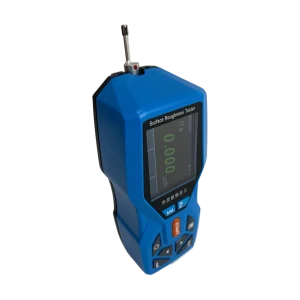
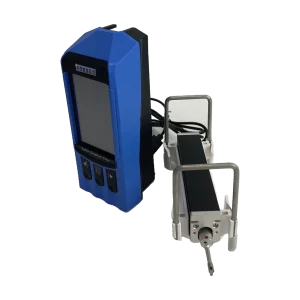
Tell us the workpiece, thickness range and accuracy you need — we will reply within 8 hours.