
SeiDiem assure un support technique et un service après-vente complets pour chaque instrument livré. Consultez les ressources ci-dessous ou contactez directement notre équipe d’ingénieurs.
Manuels et fiches techniques
Manuels d'utilisation, spécifications et documents CE/ISO pour chaque modèle, sur demande.
Étalonnage et maintenance
Étalonnage usine, réétalonnage et pièces détachées pour garder vos instruments précis année après année.
SAV et formation
Support technique à distance, formation en ligne et garantie par notre équipe d'ingénieurs, 24h/24.
Technical Articles
Selection guides, troubleshooting notes and measurement know-how from our engineering team.
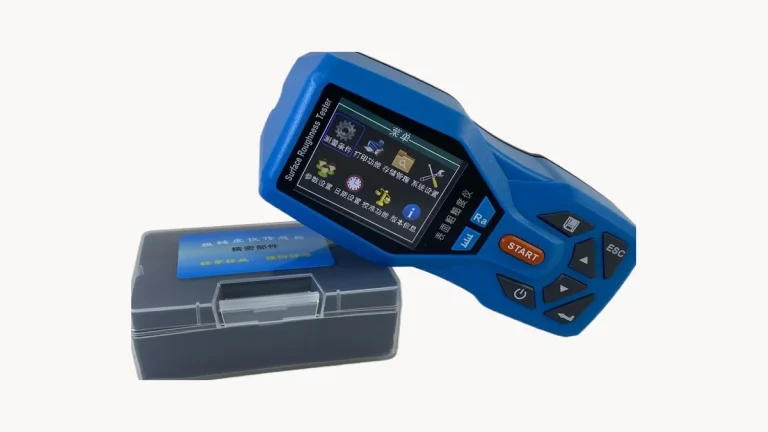 Roughness Testers
Roughness Tester Reading Drift? Check These Four Layers in Order
Jumping numbers and offset results usually are not a broken instrument. Calibration, parameters, workpiece condition or environment - work down these four layers and most cases resolve.
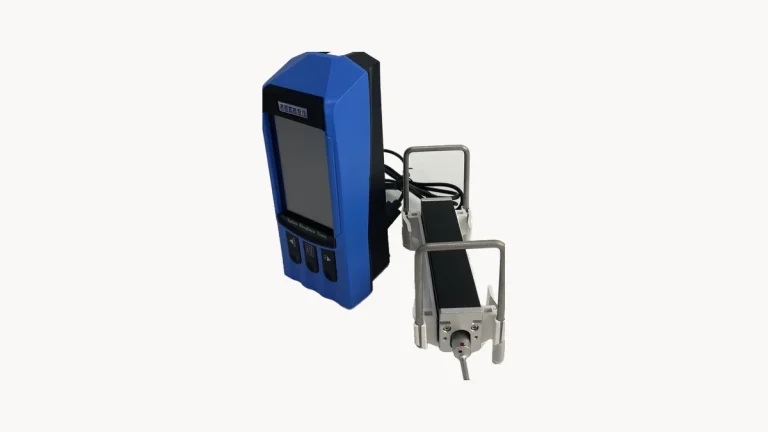 Roughness Testers
Operating a Split-Type Roughness Tester: Five Key Points
With probe and body separated, five details decide whether the data holds up: how the probe sits, which way it travels, where you measure, what parameters you set, and who…
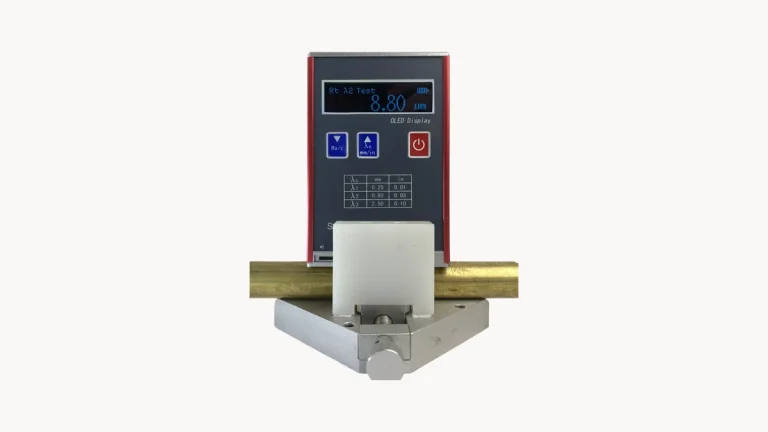 Roughness Testers
Three Hardware Faults That Look Like Operator Error
Results that suddenly drift, repeat measurements that will not agree, an odd noise from the drive unit - three symptoms that usually point at the instrument, not at how you…
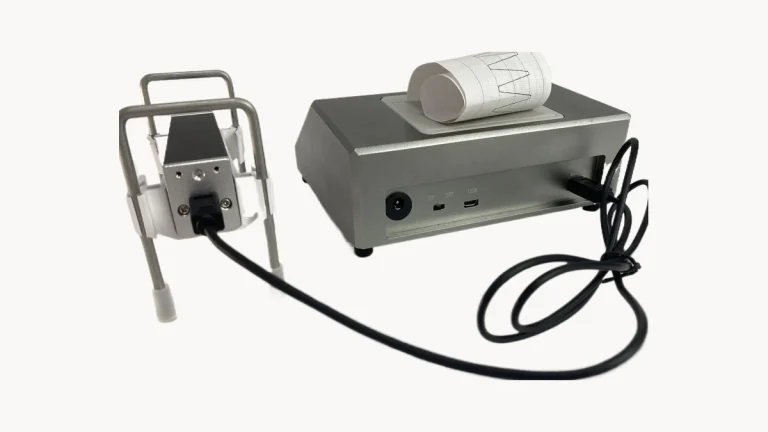 Roughness Testers
Three Ways to Measure Surface Roughness: Stylus, Interferometry, Laser Scattering
The same sample, three instruments, three different numbers. Usually nobody is wrong - the measurement principles differ. Here is where each one applies.
 Flaw Detectors
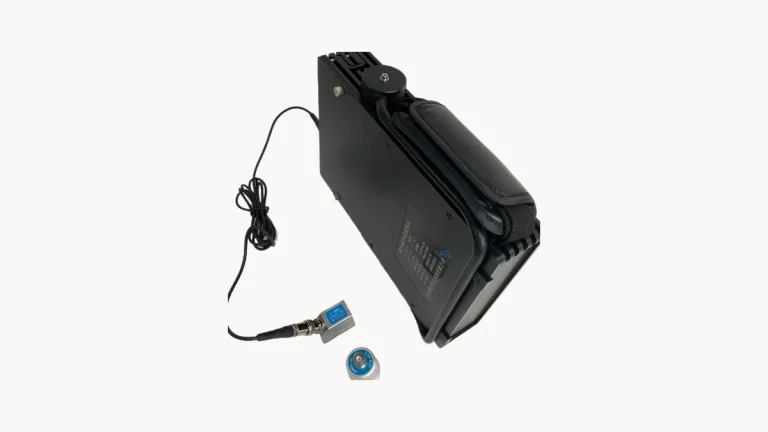
Ultrasonic Testing: Three Methods, Five Display Modes
Through-transmission, pulse-echo and tandem testing do not measure the same thing, and the echo can be shown five ways. Sorting out both lines makes a test report readable.
 Roughness Testers
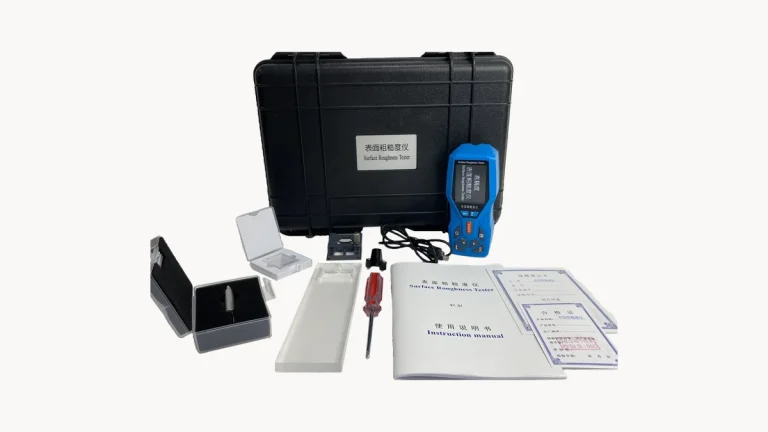
Two Ways a Portable Roughness Tester Reads a Surface
Contact stylus or optical triangulation - the two principles behind every portable roughness tester, and where each one stops working.
 Roughness Testers
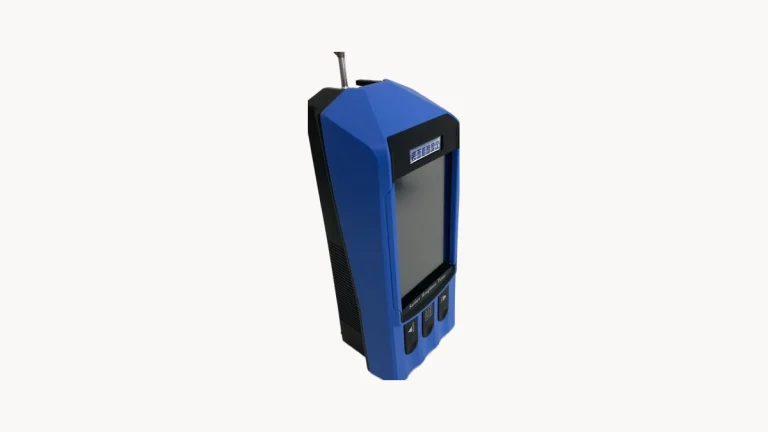
Why a Split-Type Roughness Tester Separates Probe from Body
An integrated unit cannot reach a groove floor, a bore wall or a part already clamped in a machine. Splitting the two costs one cable and buys access.
 Roughness Testers
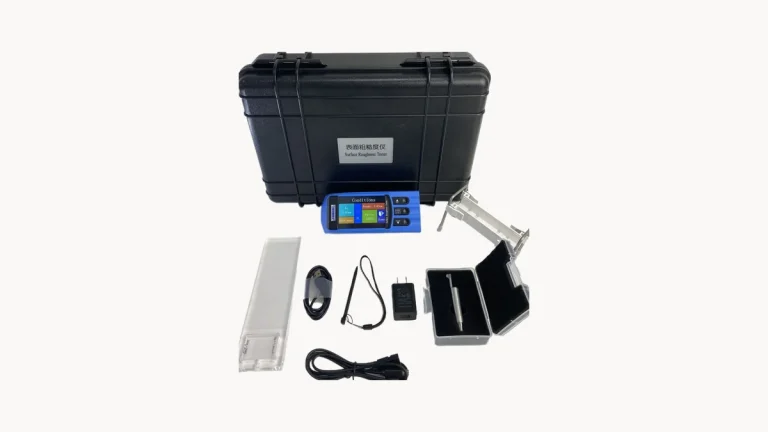
Split-Type or Integrated Roughness Tester: How to Choose
A split-type tester costs more and needs a cable. Why do so many shops still buy one? The answer comes down to whether you need to reach the part, or…
Besoin d’aide sur un modèle précis ?
Envoyez-nous la référence du modèle et une brève description du problème — nos ingénieurs répondent sous 8 heures, ou utilisez le bouton de chat en bas à droite de chaque page.